
How to Judge Ionic Zinc Benefits Against the Evidence
Posted by James Silverton on
Last Updated: November 10, 2026
Quick Summary
Ionic zinc benefits are not established as distinct from zinc in general. Most evidence concerns zinc as a nutrient, and no head-to-head trials show that the ionic form is absorbed better. Check elemental zinc per serving, and watch copper risk from long-term intake.
- Most evidence concerns zinc as a nutrient, not the liquid ionic form specifically.
- Head-to-head trials showing ionic zinc is absorbed better are not established.
- Compare products by elemental zinc per serving, not by the compound's milligram weight.
- Zinc competes with copper, and sustained high intake can lower copper status over time.
- Check the NIH tolerable upper intake level for your age and sex before starting.
Table of Contents
- What Ionic Zinc Is and Why Zinc Matters
- Zinc Liquid Benefits: What the Evidence Supports
- Is Ionic Zinc the Same as Zinc?
- Ionic Zinc Side Effects, Dosage and Copper Risk
- Choosing a Liquid Zinc Supplement: Reading the Label
- Deciding Whether a Zinc Supplement Fits Your Routine
- Frequently Asked Questions
Ionic zinc benefits are easy to claim and harder to verify, and that gap matters if you are deciding whether to buy a liquid zinc supplement. This guide from Angstrom Minerals walks through what the research on zinc actually supports, where the evidence for the ionic form runs out, and how to read a label so you can compare products on facts rather than marketing copy. Zinc is an essential mineral, and research on zinc intake suggests that many people may not get enough. That makes the basic question worth asking clearly: what does the ionic form add?
What Ionic Zinc Is and Why Zinc Matters
Ionic zinc refers to zinc supplied as charged ions dissolved in water, which is how most liquid zinc products are formulated. Zinc itself is a trace mineral the body needs for many enzyme functions and normal cell activity. Because the body does not store large reserves of zinc, regular intake matters.
Zinc's core role is structural and catalytic, not a stimulant. That is the baseline any ionic zinc claim has to be measured against.
Zinc Liquid Benefits: What the Evidence Supports
The strongest evidence concerns zinc in general, not the liquid ionic form specifically. Observational research has associated higher dietary zinc intake with lower risks of some health conditions, but these associations do not prove that supplementing causes the benefit.
Some studies have examined oral zinc in relation to COVID-19, but they concern oral zinc generally and do not show that a liquid ionic product performs better than other forms.
Treat any claim about ionic zinc benefits as needing evidence from the ionic form itself. Most of what is known comes from zinc as a nutrient.
Is Ionic Zinc the Same as Zinc?
Chemically, ionic zinc is still zinc, supplied as charged ions dissolved in water. What differs between products is the compound that carries the zinc, and that choice affects how much elemental zinc a dose delivers, how it tastes, and how it is handled in the body. Head-to-head clinical trials showing that ionic zinc is absorbed better or performs better than other forms are not established. Until such evidence exists, the form is best treated as a formulation choice rather than a proven advantage.
The common forms on store shelves compare as follows:
- Gluconate: A widely used form with a moderate elemental zinc content per milligram of compound. It is one of the most common ingredients in lozenges and tablets, and it is generally well tolerated.
- Citrate: Often marketed as gentler on the stomach. Its elemental content per milligram is similar to gluconate, and the evidence for superior absorption is limited.
- Sulfate: Contains a higher proportion of elemental zinc per milligram, which means a smaller dose of compound delivers the same elemental amount. It is more likely to cause stomach upset in some people.
- Picolinate: Marketed on the basis of absorption, but the evidence that it outperforms other forms in people is inconsistent.
If you are comparing products, the number that matters most is the elemental zinc per serving, which the next section explains how to find.
Check whether a milligram figure on a label refers to elemental zinc or to the weight of the compound, since a larger number is not automatically the stronger product. You can browse the zinc supplement range to see how each product's label details differ.
Ionic Zinc Side Effects, Dosage and Copper Risk
More zinc is not automatically better. Zinc competes with copper for absorption, and sustained intake well above what the diet provides can lower copper status over time (pubmed.ncbi.nlm.nih.gov). Copper deficiency can cause anemia and neurological problems, so this is the risk to plan around if you take zinc for more than a few weeks. Maret's 2006 review identifies this copper interaction as the central safety concern and notes how hard it is to set an intake that maximizes benefit while avoiding harm.
The NIH Office of Dietary Supplements publishes tolerable upper intake levels for zinc, so check the upper limit for your age and sex. Check the upper limit for your age and sex, and add up zinc from every product you take, not only the liquid. Duration matters as well. Short courses taken as directed are different from daily use for months, and the longer the duration, the more important it is to review copper status with a clinician.
Higher zinc doses can cause side effects such as nausea and stomach upset. Taking zinc with a meal may reduce stomach discomfort.
Timing also matters for interactions. Zinc can reduce the absorption of some antibiotics, so it is wise to confirm dosing timing with a pharmacist. Zinc can also interfere with iron and calcium absorption when taken together. Some medications interact with zinc, so discuss any prescription drugs with a prescriber before combining them with zinc.
Anyone who is pregnant or breastfeeding, has a chronic condition, or takes ongoing medication should speak with a clinician before starting zinc.
Choosing a Liquid Zinc Supplement: Reading the Label
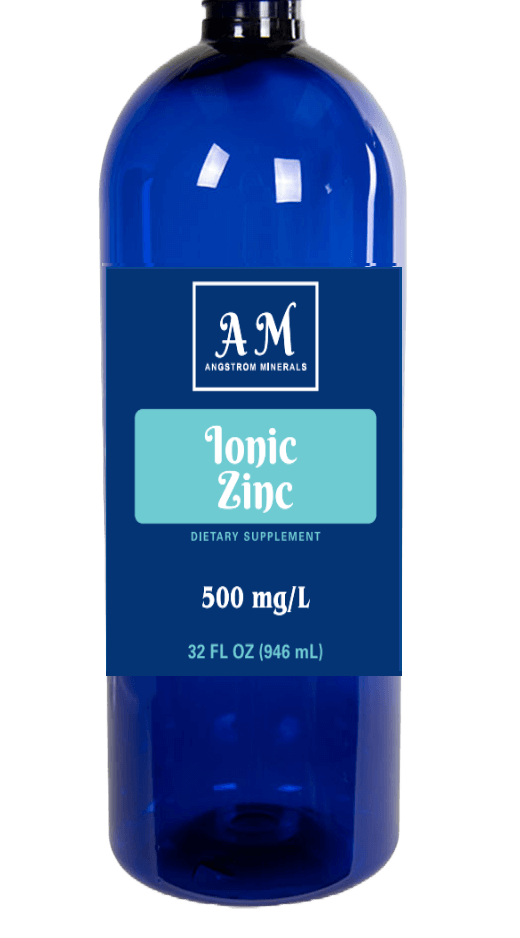
A useful comparison starts with four label details: elemental zinc per serving, the serving size, the concentration (often given in ppm), and the total container size. The 32 oz Angstrom Zinc Supplement by Angstrom Minerals, priced at $30.95, lists 500 ppm, which equals 2.5 mg of elemental zinc per teaspoon, with a 1 oz (6 tsp) dosage and 32 servings per container. The 16 oz version, at $20.95, lists the same concentration in a smaller bottle. The 8 oz Ama-Zinc concentrate, at $55.95, is 4600 ppm, or 23 mg per teaspoon, and must be diluted in at least 8 oz of water or juice before use, so compare cost per milligram of elemental zinc rather than bottle price.
For the 32 oz Zinc Xtra Supplement at $39.95, the product listing states that it is meant to be used under professional advisement.
The article compares the main liquid zinc options by concentration, serving and cost, which a reader can scan quickly.
| Product | Concentration | Price |
|---|---|---|
| 32 oz Angstrom Zinc Supplement | 500 ppm (2.5 mg per teaspoon) | $30.95 |
| 16 oz Angstrom Zinc Supplement | 500 ppm (2.5 mg per teaspoon) | $20.95 |
| 8 oz Ama-Zinc concentrate | 4600 ppm (23 mg per teaspoon) | $55.95 |
| 32 oz Zinc Xtra Supplement | Not stated in article | $39.95 |
Price
Deciding Whether a Zinc Supplement Fits Your Routine
A zinc supplement makes sense when your diet is low in zinc-rich foods or a clinician has identified a shortfall.
Start with the standard 32 oz bottle at $30.95 if you are new to liquid zinc. Browse the full range of zinc supplements at www.angstrom-minerals.com to compare elemental doses side by side before you decide.
Frequently Asked Questions
What does ionic zinc do for your body?
Zinc is an essential trace mineral found in every cell and is a component of more than 200 enzymes. Ionic zinc is a liquid form of this same mineral, so its roles in the body are the same as zinc from other sources. Published research on zinc intake links adequate levels to outcomes such as immune function, but the studies reviewed do not show that the ionic form works better than other forms.
Is ionic zinc better than regular zinc?
The research available does not establish that ionic zinc is superior to other zinc forms. Most studies examine zinc intake or oral zinc generally, not the ionic liquid specifically. A supplement's absorption depends on the dose, the form and what else you eat. Comparing labels by elemental zinc per serving is a more reliable way to judge a product than marketing claims about the form.
What are the side effects of ionic zinc?
Taking more zinc than the body needs can cause nausea, stomach upset and, with long-term high intake, copper deficiency. The NIH Office of Dietary Supplements publishes upper intake levels for zinc, so check the limit for your age and sex. Because a concentrated liquid can deliver large amounts quickly, follow the labeled serving size and check your total daily intake from food and other supplements before starting.
Can I take zinc if I'm on metformin?
Zinc can interact with some medications, and the research does not give a clear answer for metformin specifically. Because you are managing glucose with medication, speak with your doctor or pharmacist before adding any mineral supplement. Bring the product label so they can check the elemental zinc dose against your treatment plan.

Share this post
- Tags: best liquid zinc supplement, ionic zinc benefits, ionic zinc side effects, is ionic zinc the same as zinc, zinc liquid benefits